
The Estonian University of Life Sciences' Chair of Aquaculture research group has received funding from the Estonian Research Council for 2026–2030 to study how environmentally changing species affect the spread of parasites and the emergence of dangerous disease outbreaks in aquatic ecosystems.
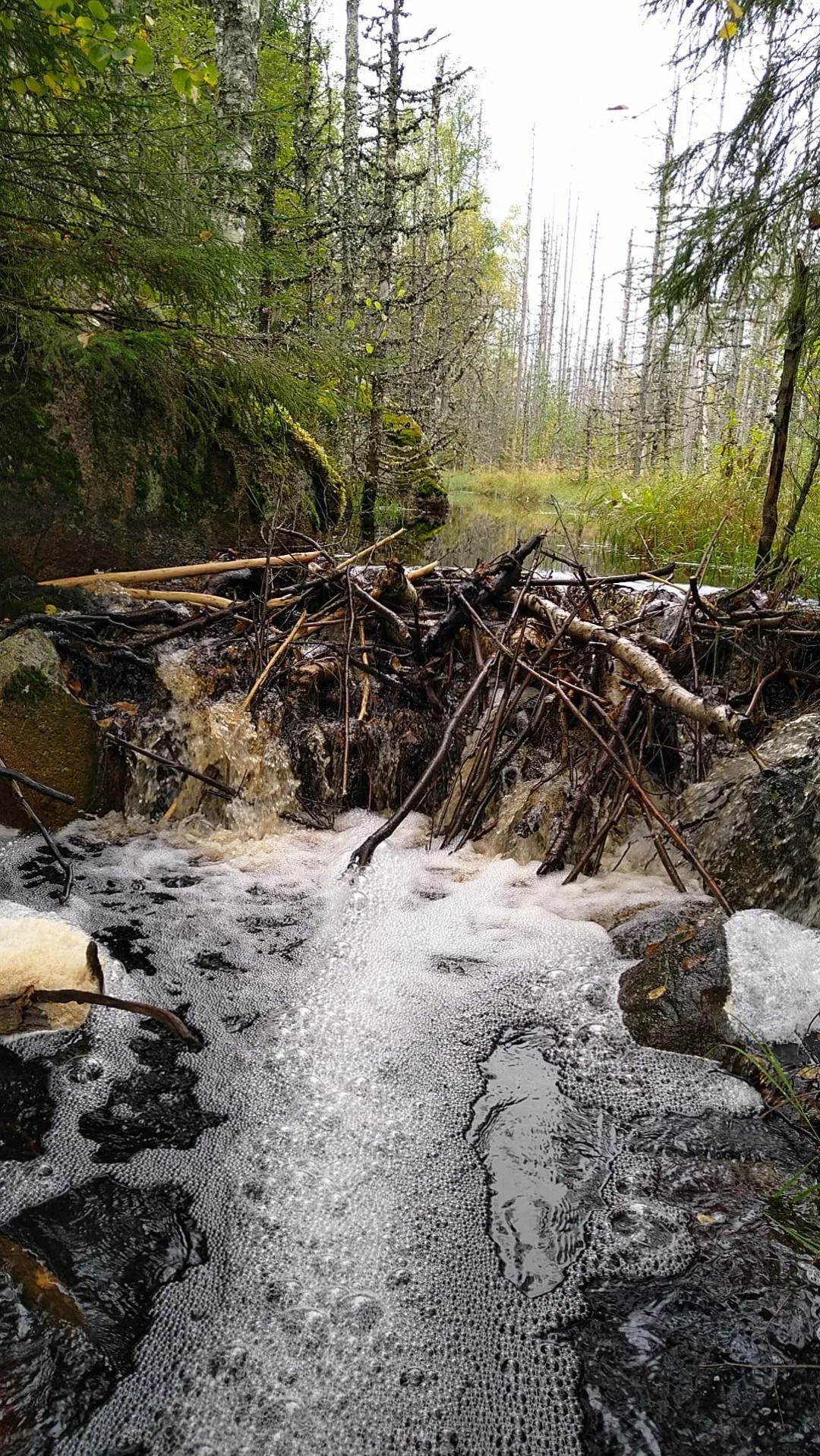
Climate change, invasive alien species, and diseases are changing ecosystems faster than ever before. A new research project by the Chair of Aquaculture focuses on ecosystem engineers, i.e., species whose activities significantly alter their surrounding environment, thereby creating or reducing habitats suitable for other organisms. The researchers' study focuses on the impact of three ecosystem engineers: humans, beavers, and cormorants.
The impact of ecosystem engineers on the environment and biota has been studied before, but very little is known about how they influence the complex relationships between parasites, host organisms, and the environment. "Although there are at least as many parasites on Earth as there are free-living species, we do not have enough knowledge to reliably assess the impact of parasites on the functioning of our ecosystems. This new project will help fill this important knowledge gap," said Anti Vasemägi, one of the project's principal investigators and professor of fish genetics and genomics at the Estonian University of Life Sciences.
The results of the project will help us understand how parasitism and diseases shape ecosystems, making an important contribution to a balanced approach to nature conservation, fisheries management, and disease control. "The hidden impact of parasites on the functioning of ecosystems is not only an interesting and topical scientific problem; new knowledge is indispensable in both fisheries management and the planning of aquatic life conservation. The group grant awarded by the Estonian Research Council in a highly competitive process secures five years of funding for our international research group to apply the most advanced genomics and ecology methods for world-class research," added Riho Gross, Professor of Aquaculture at the Estonian University of Life Sciences.
Humans as the most influential ecosystem engineers
Humans are undoubtedly the most capable ecosystem engineers, and their impact on nature is the most extensive. There are more than 900 man-made dams and migration barriers on Estonian rivers. Human activity, especially the construction of hydroelectric power plants or dams for water intake, is similar to that of beavers, but its impact is much more significant.
Dams cause changes in flow and water temperature patterns and hinder fish migration. In addition, dams create slow-flowing, warm-water habitats that promote the proliferation of fish parasites and the spread of associated diseases. A research group from the Chair of Aquaculture at the Estonian University of Life Sciences has previously studied the impact of dams on the occurrence of kidney disease in Estonian trout, which is caused by Tetracapsuloides bryosalmonae. One of the objectives of the upcoming project is to assess the impact of dams on fish parasites on a pan-European scale.
Beavers as natural habitat designers
Beavers are classic ecosystem engineers who actively change their habitat by building dams on small rivers and streams. It is estimated that there are over 10,000 dams built by beavers on Estonian rivers, which slow down the flow of water, cause sediment accumulation and increase water temperature.
These changes create new habitats for some species, but can worsen the living environment for species that depend on fast-flowing water, such as salmonids. Beaver dams are also expected to affect the abundance of temperature-dependent fish parasites, but their impact on fish diseases has not yet been studied.
Cormorants and the balance of the food chain
The recovery of cormorant populations is a success story in nature conservation, but their growing population, which numbers more than 40,000 nesting pairs in Estonia, poses a serious threat to fish stocks and coastal fisheries. This has become a major ecological and economic concern in the Baltic Sea region.
Cormorants affect coastal and freshwater ecosystems in several ways. They consume a significant portion of fish stocks, and their excrement near nesting colonies enriches the water with nutrients, which promotes the growth of algae. Cormorants are also the final host for many parasites, whose numbers are expected to increase with the growth of the cormorant population, leading to an increase in various parasitic diseases in fish.
For example, many sucking lice cause mortality and eye damage in fish, thereby affecting the functioning of the food chain. Whether the rapid growth in cormorant numbers will also cause an increase in the frequency of parasites in fish is one of the many questions that the new project will attempt to answer.
International research group
The research group includes researchers Anti Vasemägi, Magnus Lauringson, Lilian Pukk, Lauri Saks, Siim Kahar, Alfonso Diaz Suarez, and Oksana Burimski from the Estonian University of Life Sciences. Riho Gross is the principal investigator.
The project "The hidden consequences of parasitism on ecosystem-altering species — invisible actors in a changing world" is funded by the Estonian Research Council (PRG3078, 2026-2030).
Editor

Research Communication Specialist
Rector's Area of Responsibility
Department of Marketing and Communication
53585680
53585680More info

Tenured Professor of Aquaculture (Head of the Chair)
Institute of Veterinary Medicine and Animal Sciences
Chair of Aquaculture
+372 7313489
+372 73134895137139
5137139