Study information helps students with course registration, exams, tests, and timetables.
Find guidelines and answers to frequently asked questions.




Study information helps students with course registration, exams, tests, and timetables.
Find guidelines and answers to frequently asked questions.

The academic calendar of the Institute of Veterinary Medicine and Animal Sciences
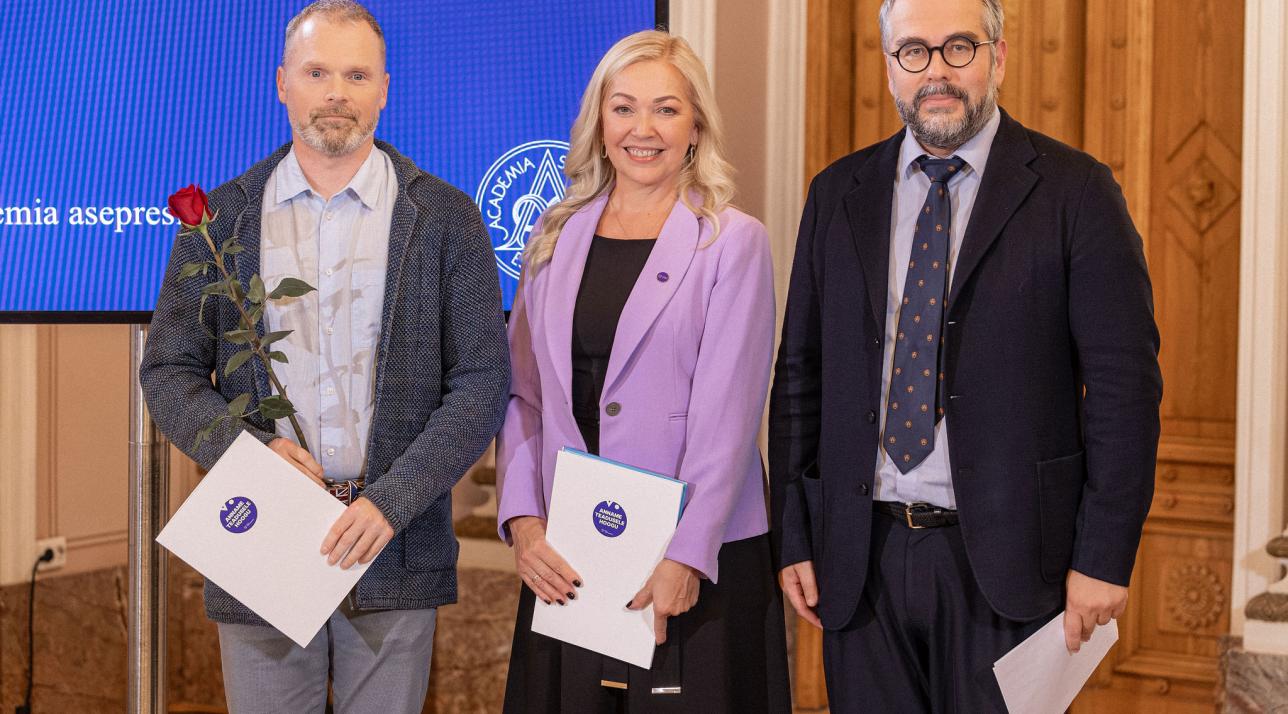
Rait Rand, a doctoral student at the Estonian University of Life Sciences, was named one of three winners at the final of the “Science in 3 Minutes” competition on October 6th. Kristiina Kerge and Triin Sellis also represented the university among the 15 finalists. Each finalist had to present their research in three minutes in a way that audiences from other fields could understand.
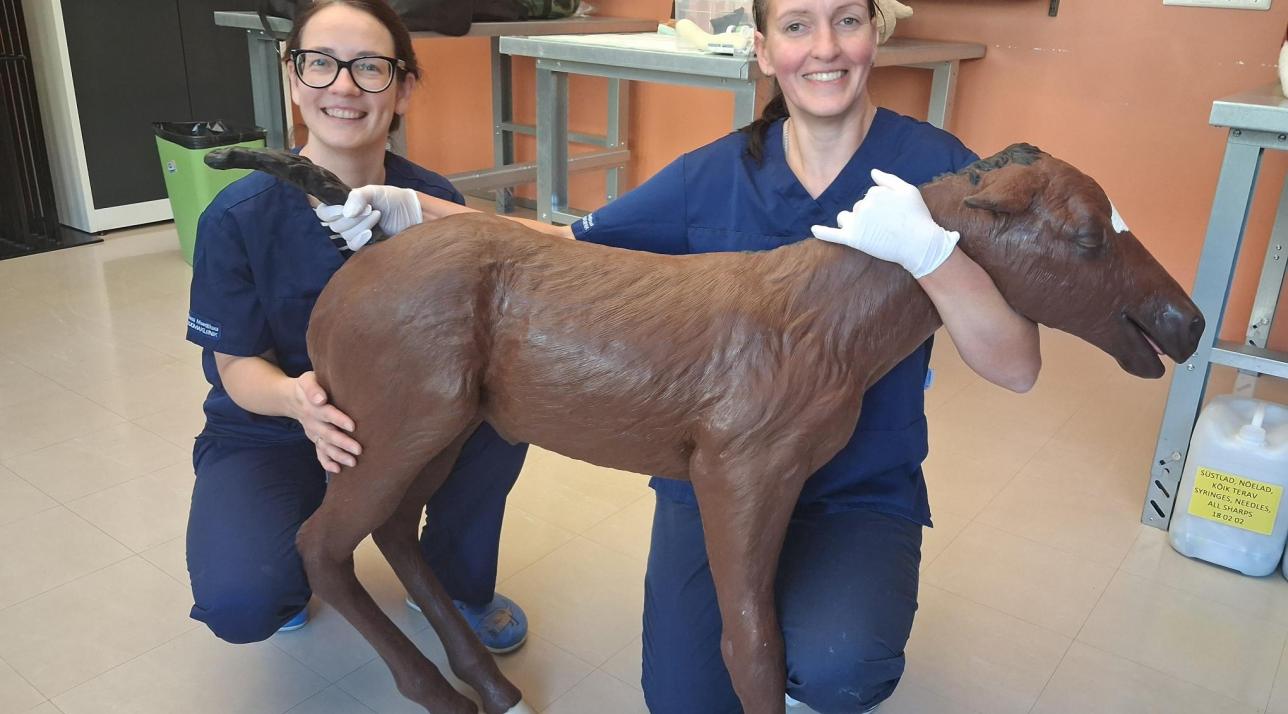
“Never the first time on a live animal” is the principle guiding teaching in our institute’s Clinical Skills Lab. Here, future veterinarians can practise procedures in a safe environment, with animal welfare in mind, and build confidence before working with a real patient. This autumn, veterinarians and lecturers Triin Rilanto and Aiki Saaremäe have become the lab’s principal instructors.

From 28 to 30 September, Piret Kalmus, Associate Professor of the Estonian University of Life Sciences, visited the Faculty of Veterinary Medicine at Bila Tserkva National Agrarian University in Ukraine. The visit took place within the framework of a joint Erasmus+ Jean Monnet project aimed at improving farm animal welfare in Ukraine by sharing European experience and practical knowledge.
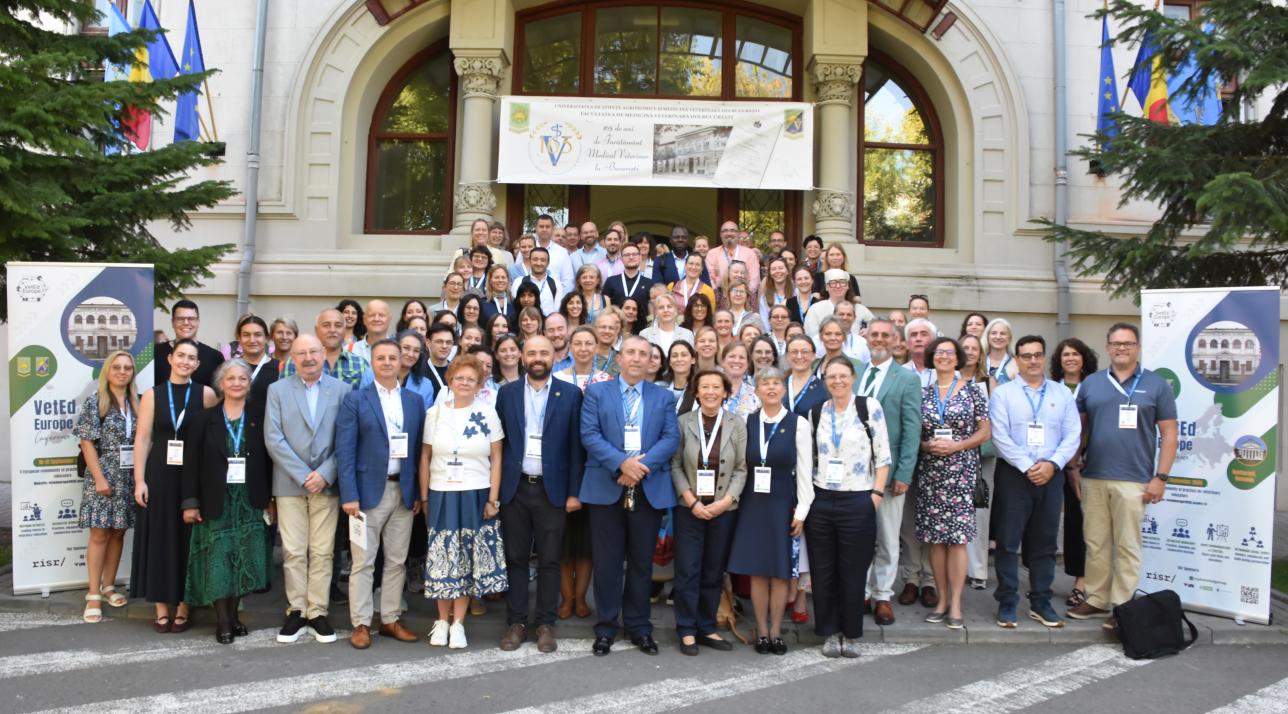
VetEd Europe 2026, held in Bucharest, brought together veterinary education specialists from across Europe. The Institute was represented by Kristel Peetsalu, Head of the Curriculum, and Felipe Corrêa, Head of the Equine Clinic. The conference provided new ideas for developing veterinary education, while the Equine Clinic’s initiative “The Pink Pony Club" received the Best E-Poster Award.

Professor Haldja Viinalass of the Institute of Veterinary Medicine and Animal Sciences at the Estonian University of Life Sciences has received the 2026 Distinguished Service Award from the European Federation of Animal Science (EAAP). The award was presented to her on 7 September at the 77th EAAP Annual Meeting in Hamburg, Germany.
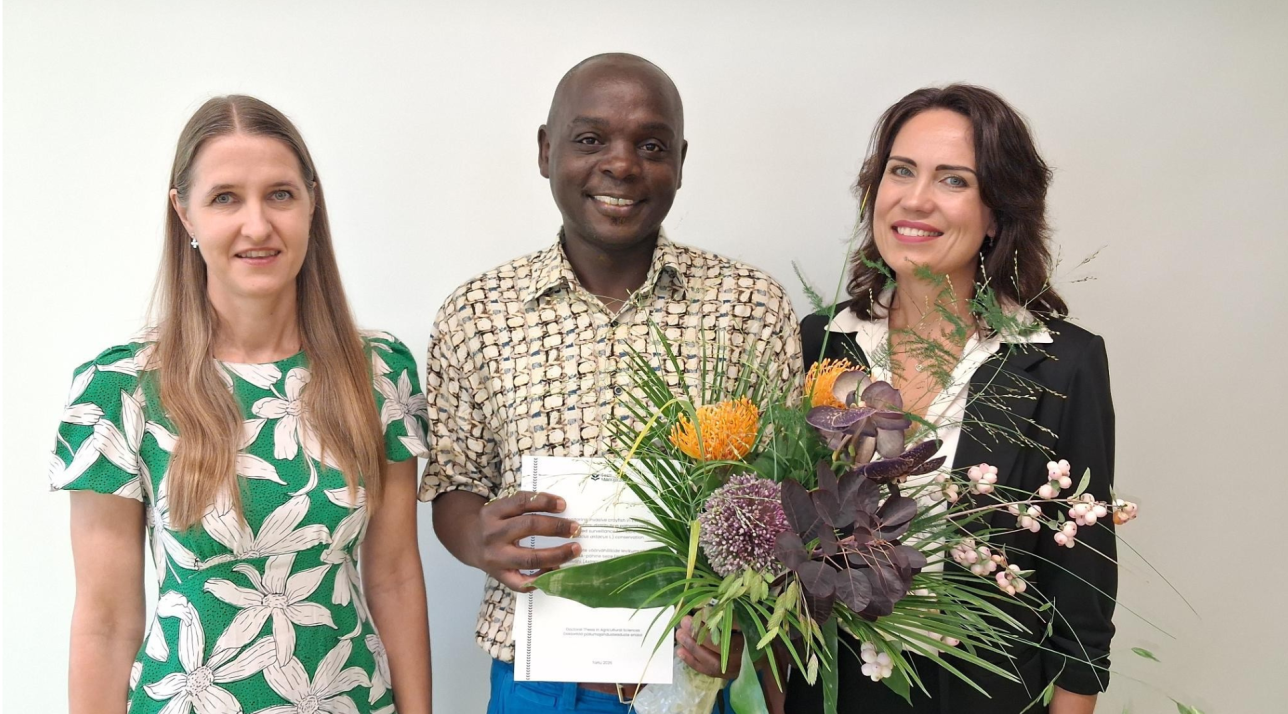
On Wednesday, 9 September, Michael Oliewo Aluma defended his doctoral thesis at the Estonian University of Life Sciences. Entitled “Monitoring invasive crayfish in Estonian freshwaters: distribution patterns and eDNA-based surveillance for noble crayfish (Astacus astacus L.) conservation”.
Knowledge, science, and care – together for the well-being of animals and people!


